Booking choice: The San Gimignano minivan tour, from $83 per person. Check dates Tour details
"Super Tuscan" is not on any label. It is a nickname, coined by English-speaking critics, for top Tuscan reds that were sold as humble table wine because they did not follow the appellation rules. Many used Cabernet Sauvignon and Merlot, or left out the white grapes that Chianti then required.
Today most of those wines have a legal home of their own. The name stuck anyway, and it still sells. Here is what it means, and where on a Tuscan wine day you will meet one.
The quick answer
A Super Tuscan is a high-quality Tuscan red made outside the traditional DOC or DOCG rules, often with Cabernet or Merlot. Sassicaia from Bolgheri, first released with the 1968 vintage, and Antinori's Tignanello from Chianti Classico started it. Bolgheri is not on the Florence day tours, but many Chianti estates pour their own IGT red, and the San Gimignano minivan tour lists Super Tuscans at its first winery.
What is a Super Tuscan wine?
An unofficial name for top Tuscan reds made outside the classic appellation rules from the 1970s on, often with Cabernet Sauvignon and Merlot.
The Bolgheri consortium tells the story plainly. When the best wines of a region were sold as vino da tavola, table wine, while weaker wines carried the famous names, foreign writers found it absurd. They called the rule-breakers Super Tuscans: superior reds, often with non-native grapes, not protected by an appellation.
Why break the rules? Before the 1990s, Chianti could hold no more than 70% Sangiovese and had to include white grapes. Producers who wanted a pure, oak-aged Sangiovese, or a Bordeaux-style blend, had to leave the appellation to make it. The IGT Toscana category, created in 1992, and the Bolgheri red DOC of 1994 brought most of them back inside the law.
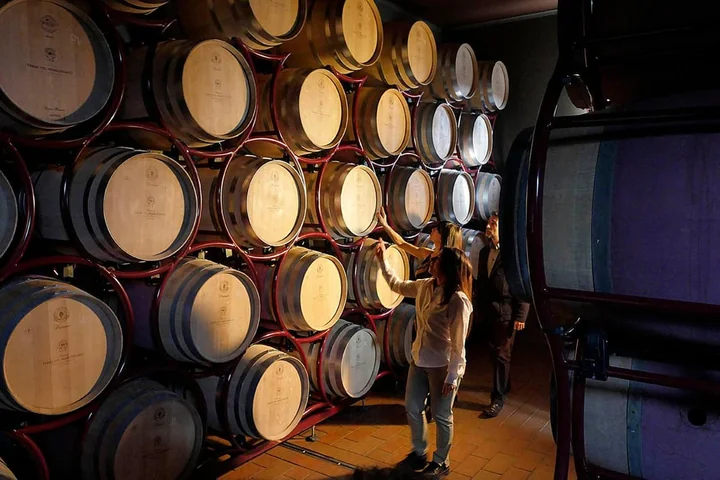
How did Sassicaia start the Super Tuscans?
Marchese Mario Incisa della Rocchetta planted Cabernet at Bolgheri in the 1940s. Sassicaia was released in 1972 with the 1968 vintage, and won a Decanter blind tasting in 1978.
From the Bolgheri DOC consortium's history: the Marchese, inspired by the French wines he liked, planted Cabernet cuttings in 1942 and again in 1944 at Castiglioncello di Bolgheri. For two decades the wine was for family and friends. His nephew Piero Antinori proposed selling it, Antinori's young oenologist Giacomo Tachis joined, and the first official Sassicaia came out in 1972 with the 1968 vintage.
In 1978 it beat Cabernets from around the world in a Decanter blind tasting. The 1985 vintage became the first Italian wine to get 100 points from Robert Parker. Sassicaia got its own subzone in 1994, and in 2013 became an appellation of its own, Bolgheri Sassicaia DOC: one estate, one DOC.
What is Tignanello?
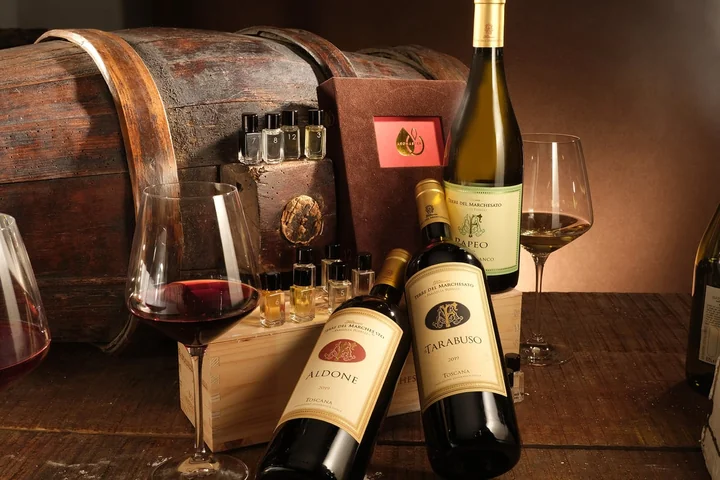
Antinori's red from the Tignanello estate in Chianti Classico: mainly Sangiovese with a little Cabernet Sauvignon and Cabernet Franc, made as a table wine from the 1971 vintage.
Antinori first made it in 1970 from one vineyard parcel as a Chianti Classico Riserva. From 1971 it left the appellation and became a Tuscan red table wine called Tignanello. Antinori lists three firsts: the first Sangiovese aged in small oak barrels, the first modern red blended with non-traditional grapes like Cabernet, and one of the first Chianti Classico reds made without white grapes.
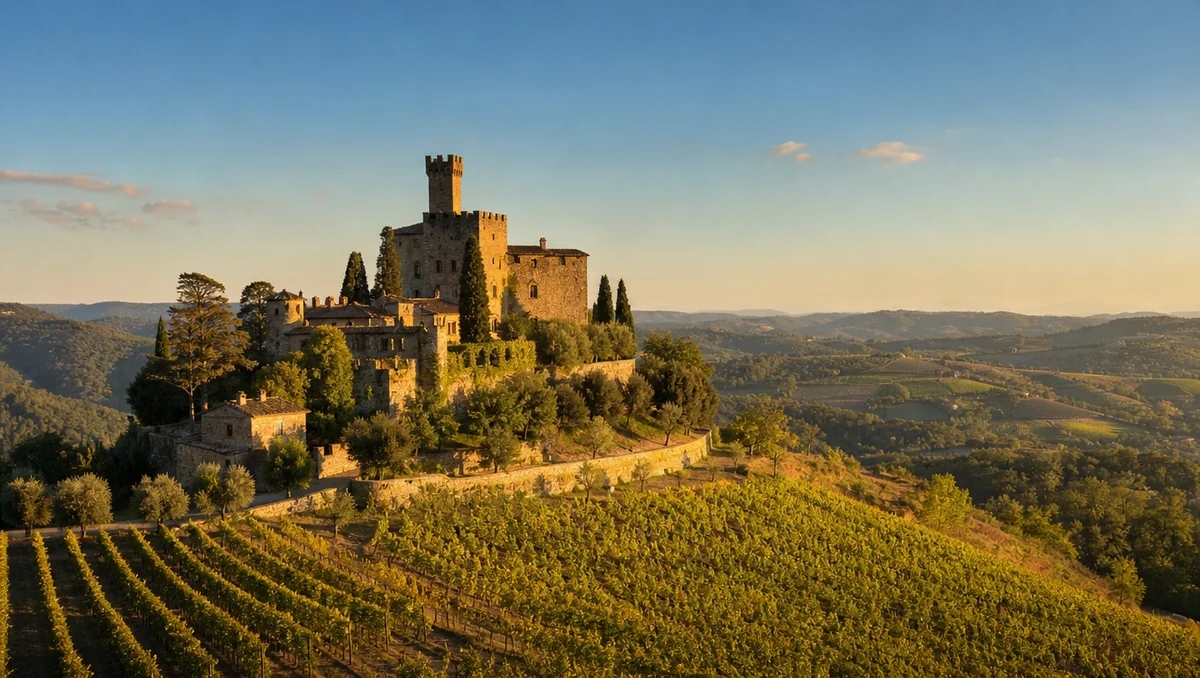
The vineyard covers about 57 hectares at 350 to 400 metres, between the Greve and Pesa valleys. Tachis, the oenologist behind Sassicaia, also made Tignanello and Solaia. You won't tour Tignanello on a group day trip, but you will drive through the hills it comes from.
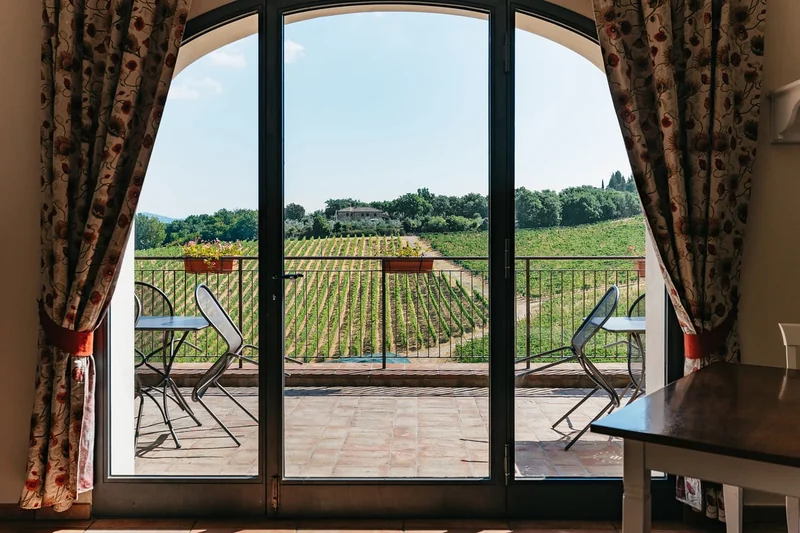
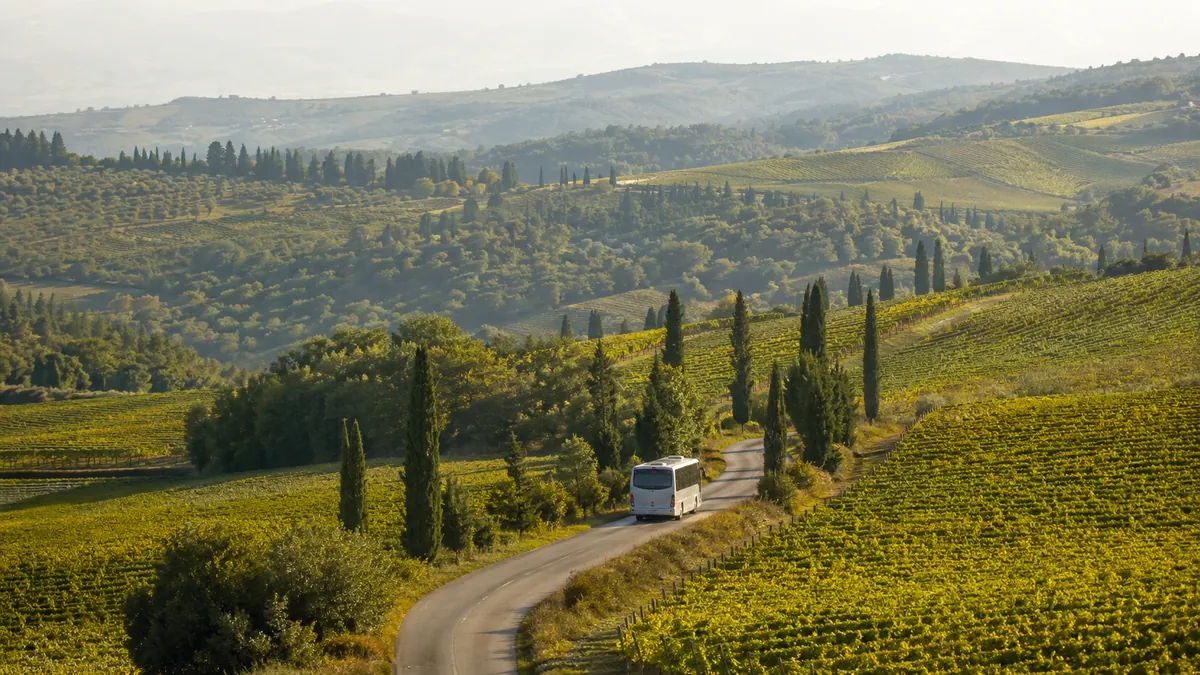
Into the hills where Tignanello was born: two Chianti Classico estates by minibus, six wines.
Explore the small-group Chianti tour Tour detailsWhat are the top 5 Super Tuscan wines?
The five most named are Sassicaia, Tignanello, Solaia, Ornellaia and Masseto. Three are from Bolgheri, two from Antinori in Chianti Classico.
| Wine | Producer | Where | Main grapes |
|---|---|---|---|
| Sassicaia | Tenuta San Guido | Bolgheri | Mostly Cabernet Sauvignon |
| Tignanello | Antinori | Chianti Classico | Mainly Sangiovese, with Cabernets |
| Solaia | Antinori | Chianti Classico | Cabernet with Sangiovese |
| Ornellaia | Tenuta dell'Ornellaia | Bolgheri | Cabernet Sauvignon led |
| Masseto | From Ornellaia's vineyards | Bolgheri | Merlot |
These are collector bottles with prices to match, and no estate pours them as part of a group tasting. Plenty of producers make excellent IGT reds for a fraction of the cost. Ask at any Chianti estate for its "Super Tuscan": most have one.
What is the difference between a Tuscan and a Super Tuscan wine?
A classic Tuscan red follows its appellation's grape and ageing rules, like Chianti Classico or Brunello. A Super Tuscan was made outside them, usually as IGT Toscana or Bolgheri DOC today.
Look at the label. Chianti Classico DOCG means at least 80% Sangiovese and set ageing. Brunello di Montalcino DOCG means 100% Sangiovese from Montalcino. Toscana IGT means the producer chose the grapes and the method within broad limits, which is where most Super Tuscans sit. Bolgheri Rosso and Bolgheri Superiore DOC are coastal reds, usually Cabernet and Merlot blends; since 2011 they can be a single variety of Cabernet Sauvignon, Merlot or Cabernet Franc.
Today a Gran Selezione can be every bit as serious as a Super Tuscan. The nickname now says more about style than about quality.
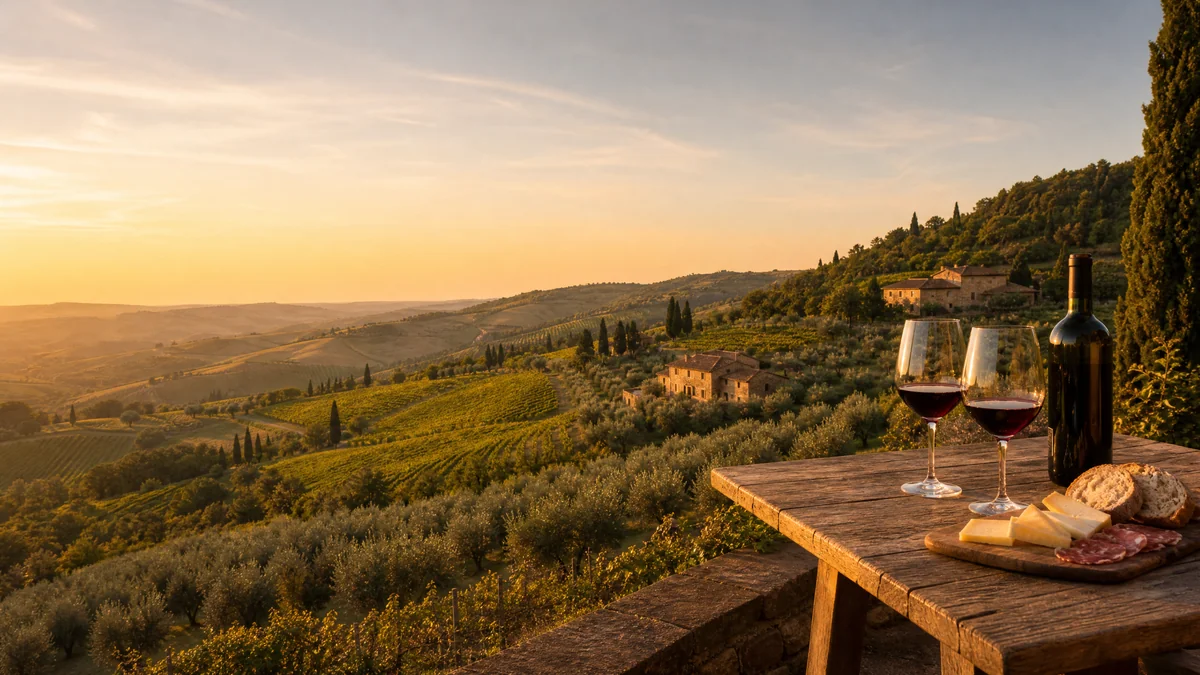
Can you visit Bolgheri on a day trip from Florence?
Not on the standard tours. Bolgheri is about 130 km from Florence on the coast, 1 hour 50 by car, and needs a private driver or a stay nearby.
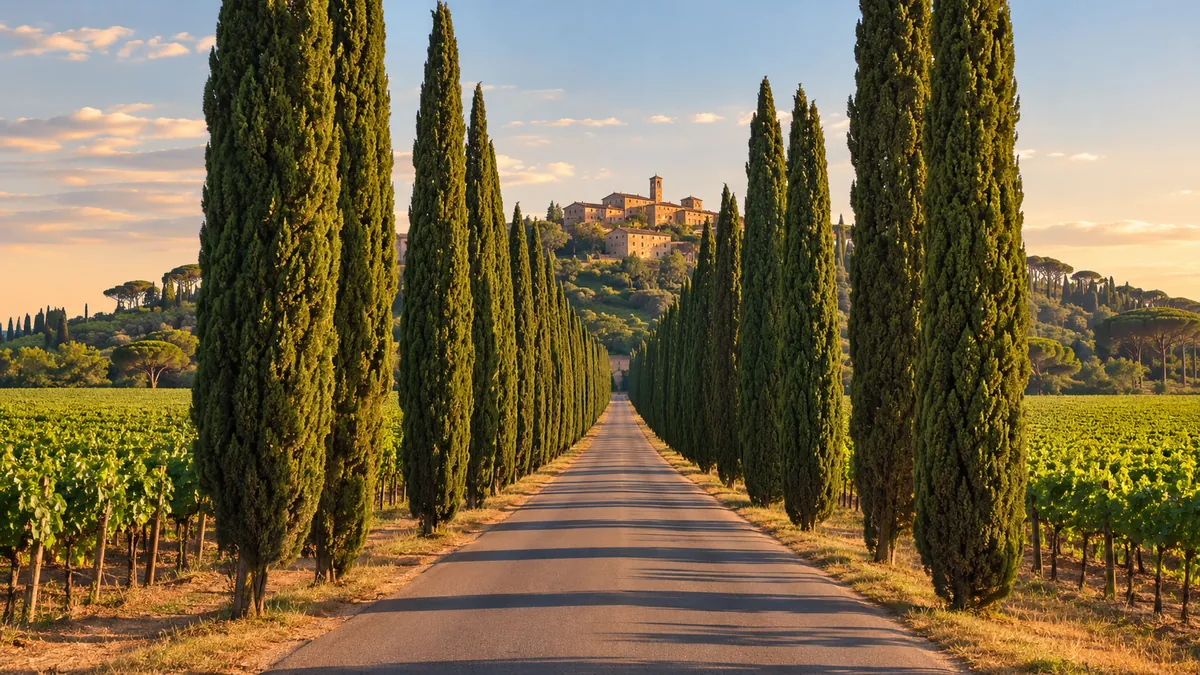
Bolgheri sits in the municipality of Castagneto Carducci, province of Livorno, a few kilometres from the sea. Its famous cypress avenue, planted by Guidalberto Della Gherardesca, runs from San Guido to the village. Many Bolgheri estates run cellar tours, and the consortium site lists cellar tours and customised wine tours.
If you are staying on the coast, a Bolgheri winery visit is a fine half day. From Florence it is a long, private trip: count about four hours on the road for the round trip, and plan a driver who is not tasting.
Where can I taste a Super Tuscan on a wine tour?
At Chianti estates that make an IGT red, and on the San Gimignano minivan tour, whose first winery lists Super Tuscans alongside Chianti and Vernaccia.
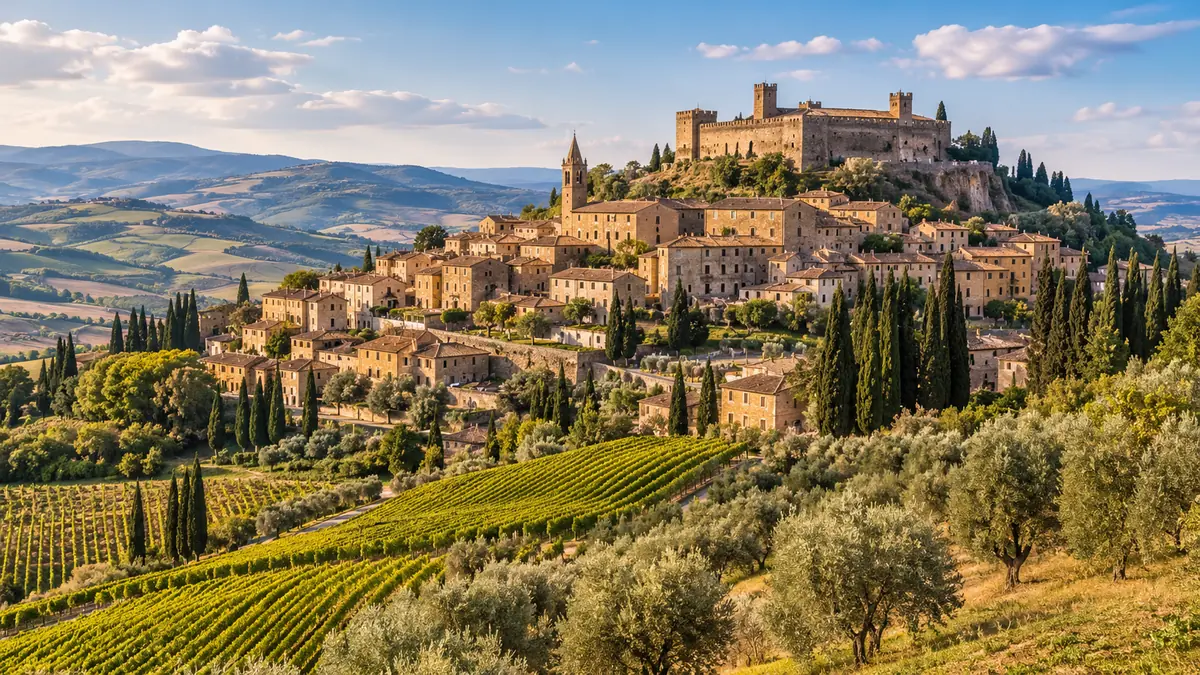
The wineries and San Gimignano tour names its first stop as a family estate near San Gimignano that pours Chianti, Super Tuscans and Vernaccia di San Gimignano, the town's white. That is the easiest way to taste one on a group day from Florence, and you get eight wines across two wineries plus free time among the towers.
On the Chianti tours, the line-up is mostly Chianti Classico. Many estates add their IGT red if you ask, and the guides know which ones make one. Guests on the San Gimignano tour liked the range: "Great itinerary with visits to 2 very different wineries and a brief stop in San Gimignano."
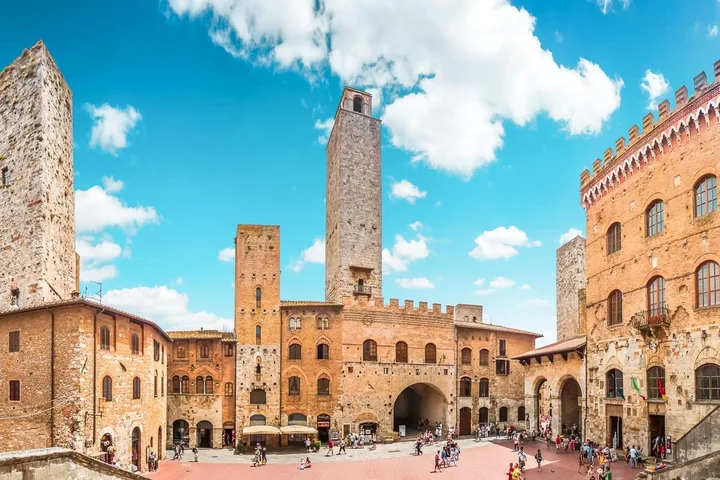
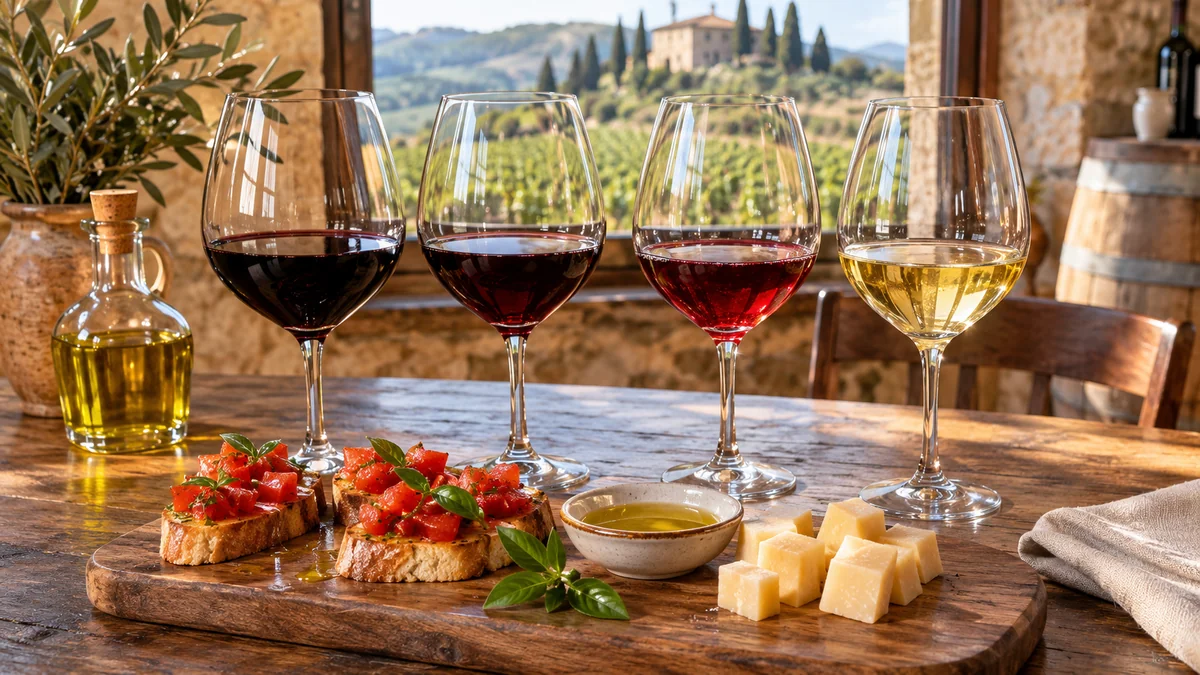
Eight wines at two wineries, Super Tuscans at the first, and an afternoon in San Gimignano.
Check dates for the San Gimignano minivan tourFrequently asked questions
Is Super Tuscan an official wine classification?
No. It is an informal name. The wines are usually labelled Toscana IGT, Bolgheri DOC or Bolgheri Sassicaia DOC.
What was the first Super Tuscan?
Sassicaia is widely credited as the first. Its first official release was in 1972, with the 1968 vintage, from vines planted at Bolgheri in the 1940s.
Are Super Tuscans better than Chianti Classico?
Not necessarily. They are a different style, often with Cabernet or Merlot. A good Chianti Classico Gran Selezione is a match for many of them.
Do Florence wine tours serve Sassicaia or Tignanello?
No group tour pours them. You taste the estates' own IGT reds and Chianti Classico. The famous bottles are sold in Florence wine shops and enotecas.
Ready to book
Choose your tour
Free cancellation up to 24 hours before on every option. Prices are from-prices in USD and move with the season.
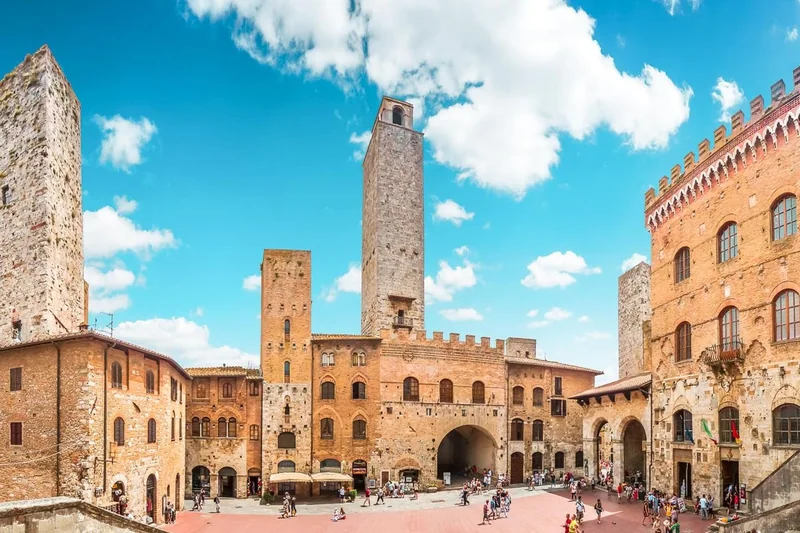
2 Wineries & San Gimignano by Minivan
Eight wines, an 8-seat minivan and the towers of San Gimignano
Small-Group Chianti Wine Tasting Tour
- Air-conditioned minibus from Piazzale Montelungo and back
- Driver-guide all day
- Guided visits to 2 wine estates in Chianti Classico
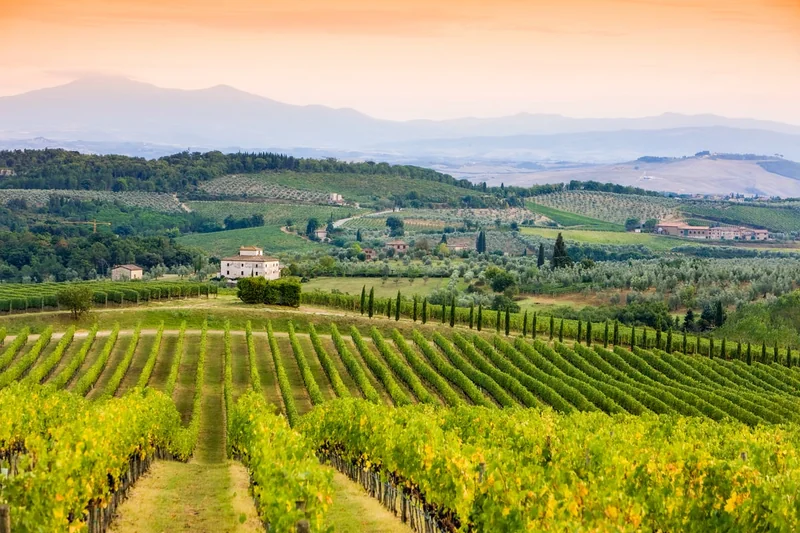
Full-Day Small-Group Wineries Tour with Lunch
- Air-conditioned vehicle with Wi-Fi
- English-speaking driver-guide
- Guided visits to 3 wineries with wine and olive oil tastings